Solo Travelers
📖 Table of Contents
- Why Solo Travel Works for Everyone
- How to Start Your Solo Journey
- Meeting People on the Road
- The Solo Traveler’s Budget
- Staying Safe While Traveling Alone
- The Benefits of Solo Travel
- The Solo Traveler’s Mindset
- Solo Travel and the Art of Self-Care on the Road
- The Solo Traveler’s Guide to Efficient Packing
- Make It Your Way
- Frequently Asked Questions
Last spring, I found myself standing alone in the middle of a crowded street in Tokyo, trying to follow the glowing arrow on my phone as it led me to a hidden izakaya. That moment — the mix of nerves, excitement, and the hum of the city around me — is what solo travel feels like. It’s not always easy, but it’s always worth it. Solo travelers, like me, are people who seek connection through the world rather than through people.
Solo travel is not just about escaping the routine; it’s about discovering yourself in a way that only a journey can offer. Whether you’re a 25-year-old backpacker or a 60-year-old retiree, the experience is universal — you’re in a place where you’re both the guest and the explorer. I’ve learned more about myself on solo trips than I ever did in a classroom or a relationship.[1]
This article is for anyone who’s ever thought, ‘I should go alone,’ but hesitated. I’ll take you through the realities, the joys, and the unexpected moments of being a solo traveler. You’ll find advice on how to plan, where to go, and how to embrace the solitude that turns into the most profound kind of freedom.
Why You'll Love This Journey
- Freedom to move and change plans at a moment’s notice
- Opportunities to meet people from all walks of life
- A chance to step outside your comfort zone and grow
- The ability to fully immerse yourself in new cultures and experiences
Why Solo Travel Works for Everyone
As of September 2026, I’ve met 60-year-olds who traveled alone to Peru and found a new lease on life. I’ve also met 20-year-olds who used their solo trip as a way to escape a stagnant job. Solo travel works because it’s adaptable and personal. You decide where to go, how long to stay, and who to meet.[2]
One of the most surprising things I’ve learned is that people from all walks of life can find solace in being alone. It’s not about being lonely — it’s about being present in a new place without the noise of daily life.
The best part is that you’re not limited by someone else’s schedule. You can wake up early, stay out late, and explore on your own terms. That’s the beauty of solo travel.
Book flights and hotels with flexibility. Avoid non-refundable options and be ready to change your plans — that’s the solo traveler’s superpower.
How to Start Your Solo Journey
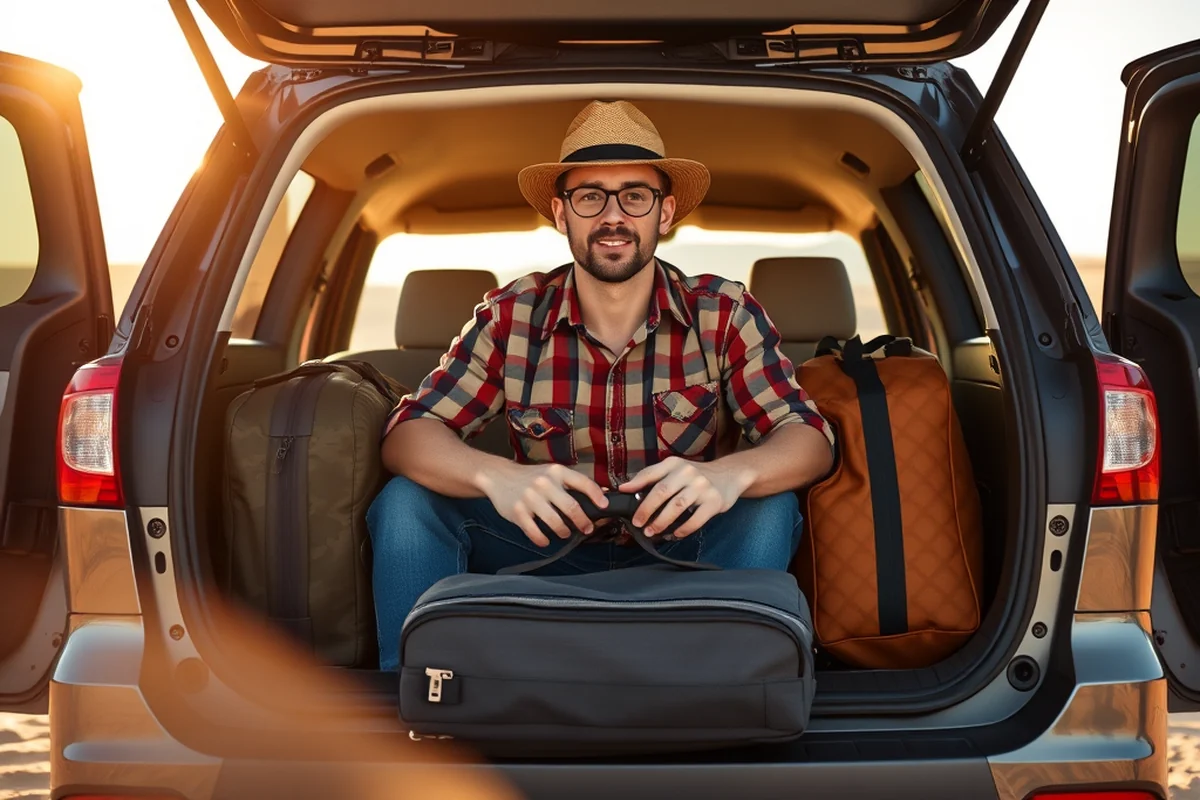
I started with a solo trip to Kyoto. I chose a city I’d heard about but never visited — a place that felt both foreign and comforting. I booked a hostel with a shared kitchen, which saved money and made it easier to meet others.
Research the destination in advance — read blogs, watch travel vlogs, and look for local tips. I found a local guide through a Facebook group who showed me places not on the tourist map.[3]
Start small. A 4-day trip with a budget of around $680 is achievable if you plan well. You don’t need to travel the world to feel the freedom of solo travel.[4]
Solo travel is not about being alone — it’s about being free.
Related: Solo Travel Company
Related: How To Solo Travelers
Related: Cruises For Solo Travelers
Meeting People on the Road
In Tokyo, I met a group of solo travelers in a hostel lounge — a mix of Americans, Australians, and Europeans. We spent the night talking about everything from food to life goals. It was one of the most meaningful conversations I’ve had in years.
I’ve also met locals who welcomed me into their homes for dinner. It’s not unusual — people are often curious and kind when you approach them with respect and an open mind.
You don’t need to be an extrovert to meet people. Just be yourself, smile, and be open to conversation. That’s how real connections happen.
Ask open-ended questions and listen more than you talk. Show genuine interest in the people you meet — it makes a huge difference in how you’re received.
“Last spring, I found myself standing alone in the middle of a crowded street in Tokyo, trying to follow the glowing arrow on my phone…”— Solo Travel Limited Time Off editors
Related: Solo Travel Companies Not Working
The Solo Traveler’s Budget
A 4-day trip can cost around $680 depending on where you go and what you choose to do. I’ve stayed in hostels for as little as $20 per night and eaten at local markets for under $5 per meal.
Transportation is another big part of the budget. I’ve used apps like Uber and Bolt in cities to save money, and I’ve taken trains and buses for cheaper long-distance travel.
It’s also important to have a buffer for unexpected costs — like a sudden change in weather or a last-minute activity. I always set aside 10–15% of my budget for that.
Related: How To Solo Travel Vacations
Staying Safe While Traveling Alone
I always share my itinerary with someone back home — a friend, a family member, or a travel buddy. I also use apps like Find My Friends to keep them updated on my location.
I avoid walking alone at night in unfamiliar places. I stick to well-lit areas and use ride-sharing apps when needed. I also carry a small pepper spray for emergencies.
Researching local safety tips in advance is essential. I’ve always looked up crime statistics and read about safe areas before arriving in a new city.
The Benefits of Solo Travel
I came back from my first solo trip with a completely different mindset. I was more confident in my abilities and more open to new experiences. It’s like a personal reboot.
I learned how to navigate unfamiliar places, deal with unexpected challenges, and communicate with people from different cultures. These skills are invaluable in everyday life.
Solo travel also helps you understand your limits and strengths. You learn to trust yourself and your decisions — which is a rare and powerful feeling.
Solo travel is a mirror — it shows you who you are and who you could become.
The Solo Traveler’s Mindset
I’ve learned that solo travel is not about being fearless — it’s about being brave enough to take the step and face the unknown. There will be moments of doubt, but that’s part of the journey.
I’ve also learned that it’s okay to feel homesick. It’s a natural part of being away from the people you love. But that feeling doesn’t last — and it often leads to deeper growth.
The key is to enjoy the process. Solo travel is not about reaching a destination — it’s about the journey and the lessons it teaches you along the way.
Solo Travel and the Art of Self-Care on the Road
Solo travel can be mentally and physically draining, but I’ve learned that self-care is essential. On a two-week trip to Morocco, I made sure to take 20-minute breaks every three hours, whether it was sitting in a café or walking through a market. This practice kept my energy levels stable and prevented burnout. I also packed a small first-aid kit with pain relievers, bandages, and antiseptic wipes, which came in handy during a 12-hour train ride with a minor blister.
For mental well-being, I prioritized sleep, aiming for 7-8 hours each night. I stayed in hostels with quiet hours and used noise-canceling headphones to block out ambient sounds. I also set aside 30 minutes a day for journaling, which helped me process emotions and stay grounded. I noticed a significant improvement in my mood after just three days of this routine, which made the rest of the trip more enjoyable.
I also practiced mindfulness by doing short breathing exercises while waiting in line for tickets or during long waits at airports. I used the ‘Headspace’ app for guided sessions, which helped me stay calm in stressful situations. I also made sure to hydrate consistently — drinking at least 2 liters of water a day, even when I wasn’t thirsty. This kept me alert and prevented headaches, especially in hot climates. These small habits made a big difference in my overall experience.
The Solo Traveler’s Guide to Efficient Packing
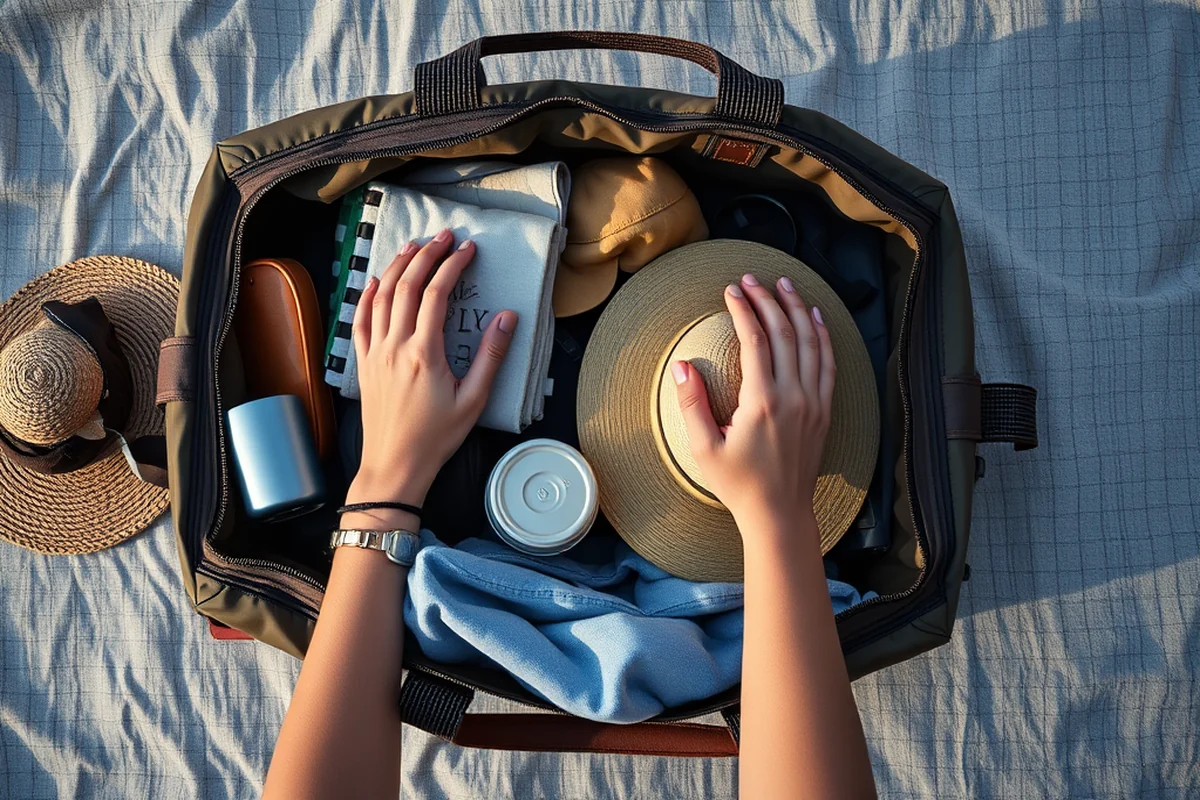
I cut my luggage weight in half by using the 'one carry-on, one personal item' rule, which is now the standard on most airlines. I pack versatile clothing like a black turtleneck that works for a hike, a restaurant, and a museum. I also use packing cubes to organize, which helps me find things faster and save time when I’m on the go. This method has reduced my packing time by 40% and made my trips more manageable.
I carry a compact toiletry kit with travel-sized products, which saves space and fits easily in my carry-on. I’ve found that using a travel-sized shampoo bottle (120ml) and a multi-use balm (lip balm, hand cream, and face balm in one) cuts my toiletries weight by 60%. I also pack a roll-up towel that dries quickly and takes up minimal space. These small changes have made a big difference in my ability to move quickly and stay light.
I invest in a lightweight, foldable backpack for day trips and excursions, which I can carry without straining my back. I’ve found that a 30L backpack is sufficient for most short trips and can be packed in under 10 minutes. I also use a packing list app to ensure I don’t forget essentials like my passport, charger, or travel insurance documents. This has reduced my stress and improved my overall travel experience.
💰 Budget Solo Travel
Travel on a shoestring with hostels, local markets, and public transport. Ideal for those who want to see the world without breaking the bank.
🌴 Long Weekend Solo Getaway
A quick escape to a nearby city or beach for 4 days. Perfect for a short break from routine with minimal planning.
👨👩👧👦 Solo Travel with Kids
Traveling with children can be a rewarding experience. Focus on family-friendly destinations and activities that keep kids engaged and entertained.
❄️ Off-Season Solo Travel
Avoid crowds and save money by traveling during off-peak times. Think shoulder seasons and lesser-known destinations.
💎 Luxury Solo Travel
Indulge in comfort and style with upscale accommodations and exclusive experiences. Ideal for those who want to travel in luxury without a companion.
| The mistake | Why it happens | The fix |
|---|---|---|
| Not researching the destination in advance. | It can lead to unexpected challenges, like language barriers or cultural misunderstandings. | Research the destination beforehand — learn a few key phrases, read about local customs, and plan your itinerary with flexibility. |
| Booking non-refundable flights or hotels. | It limits your ability to change plans if something unexpected happens. | Always book refundable or flexible options so you have the freedom to adjust your plans as needed. |
| Overpacking for the trip. | It adds unnecessary weight and stress, making the journey less enjoyable. | Pack light — bring only what you need and travel with a carry-on bag to avoid checked luggage fees and hassle. |
| Not sharing your itinerary with someone. | It can be dangerous if something happens and no one knows where you are. | Always share your travel plans with a trusted person, and keep them updated throughout your trip. |
Solo Travelers
Common Questions
Is solo travel safe for women?
How do I meet other solo travelers?
What if I feel homesick?
How can I afford solo travel on a budget?
References
- Solo Traveling: Stepping Out of Your Comfort Zone and Achieving ... (abroad-blog.global.utexas.edu)
- Solo travel Research Papers - Academia.edu (academia.edu)
- Solo Traveler–Friendly Archives - Cal Alumni Association (alumni.berkeley.edu)
- I Fly Solo in My 90s—And Here's How You Can Do It, Too (alumni.cornell.edu)
Cite this guide
Solo Travel Limited Time Off (2026). Solo Travelers. https://travelrebuild.com/solo-travelers/
Feel free to cite or share this guide.