
Solo Travel For Beginners
📖 Table of Contents
- How to Choose Your First Solo Destination
- Packing Light and Smart
- Staying Connected and Safe
- Making Friends on the Road
- Budgeting for Your Solo Trip
- The Power of Solo Travel for Personal Growth
- Solo Travel for Beginners: How to Stay Motivated
- Navigating Transportation as a Solo Traveler
- Make It Your Way
- Frequently Asked Questions
I remember the first time I stepped off the plane in Lisbon alone — my heart racing, my carry-on packed with just a few essentials and a tattered notebook. I was 27, and the idea of traveling solo felt both terrifying and exhilarating. What I didn’t know then was that this journey would change me in ways I never imagined. Solo travel for beginners, I learned, is not about being fearless; it’s about learning how to be comfortable in your own skin while exploring the world.[1]
Solo travel for beginners doesn’t mean you have to be an expert in anything. It means you’re willing to show up, make mistakes, and discover who you are along the way. I’ve met so many people who started their solo journeys with nothing but a single suitcase and a map — and ended up with friendships, skills, and stories that shaped their lives. The key is to embrace the unknown, even when it feels uncomfortable.[2]
What I’ve come to realize is that solo travel for beginners isn’t about avoiding challenges; it’s about finding your rhythm in unfamiliar places. Whether you’re wandering through a crowded market in Bangkok or sipping coffee at a quiet café in Prague, every moment is a chance to learn. You’ll find that the journey is as much about who you become as it is about the places you visit. And that, my friend, is what makes solo travel so powerful.
Why You'll Love This Solo Travel Adventure
- Solo travel for beginners helps you build confidence and independence through real-world experiences.
- It offers the chance to meet people from all walks of life and form meaningful connections.
- You get to move at your own pace and prioritize your interests without compromise.
- Solo travel for beginners can be both affordable and deeply enriching when planned with intention.
How to Choose Your First Solo Destination
As of August 2026, when I first started planning my solo trip, I spent weeks researching destinations. I wanted a place that was not too crowded, had a good safety record, and had a mix of cultural and natural attractions. I chose Lisbon because it had a high safety rating, affordable accommodations, and a vibrant atmosphere that felt welcoming to solo travelers.[3]
I found that destinations with English-speaking locals, well-marked public transport, and a strong expat community were ideal for beginners. I even asked friends who had traveled solo for their top recommendations, which helped me narrow down the options.
Another thing I considered was the cost of living. I looked for places where a modest budget could cover accommodation, food, and activities. Lisbon fit that perfectly, with a range of budget-friendly hostels and guesthouses, and plenty of free walking tours and museums.
Before booking your trip, check the safety index of your destination and ensure public transport is reliable. This helps prevent stress and build confidence.
Packing Light and Smart
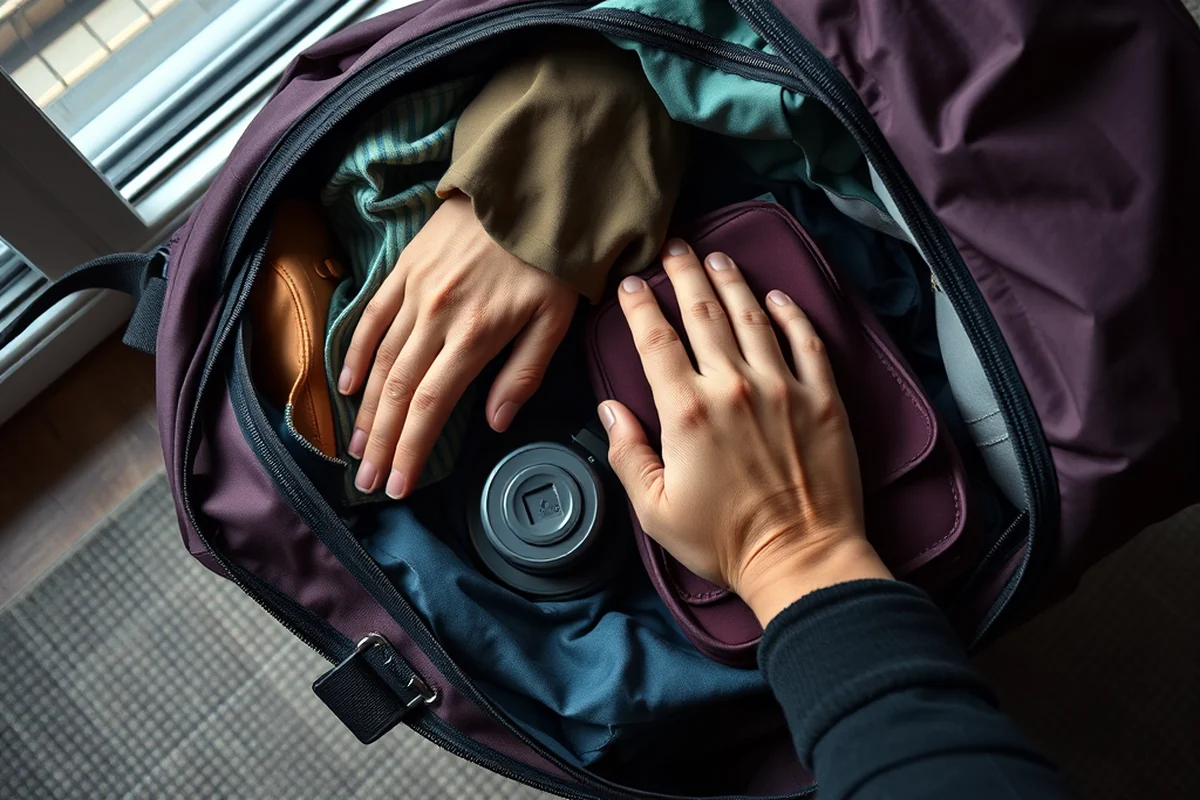
I learned the hard way that overpacking can be a nightmare. On my first trip, I packed too many clothes and ended up with a suitcase that was too heavy to carry on the train. I also had to buy more luggage tags, which added to my costs.
Instead, I started using the 333 rule: 3 pairs of pants, 3 shirts, and 3 pairs of underwear. I also invested in versatile clothing that could be mixed and matched for different occasions. This not only saved me money but also made my travel experience much more pleasant.[4]
I also packed a small daypack for day trips and a carry-on for the plane. This made it easier to move around and avoid the hassle of checking in large bags. Traveling light allowed me to focus more on the experience and less on logistics.
Less is more when you're on the move.
Related: Best solo travel places
Related: Best solo travel agency
Related: Best solo travel for singles
Related: Solo travel for beginners templates
Related: Solo travel for young professionals at home
Staying Connected and Safe
I always travel with a portable Wi-Fi device and a local SIM card. This helps me stay in touch with family and friends back home while also accessing maps, translation apps, and local services.
I also make sure to share my itinerary with someone I trust before I leave. This is a simple yet effective way to ensure that someone knows where I am and can reach out if something goes wrong.
I also carry a small emergency kit with things like a flashlight, bandages, and a whistle. These small items can make a big difference in an unexpected situation. Staying prepared is key to feeling safe and confident while traveling alone.
Always share your travel plans with someone you trust. This can help you feel more secure and ensure someone is aware of your movements.
“I remember the first time I stepped off the plane in Lisbon alone — my heart racing, my carry-on packed with just a few essentials…”— Solo Travel Limited Time Off editors
Making Friends on the Road
I met some of the most interesting people during my solo trips — from fellow travelers to locals who invited me into their homes. These connections often happened in the most unexpected ways, like at a hostel common room or during a shared meal.
I found that joining group tours, attending local events, or volunteering was a great way to meet others. These activities provided opportunities to bond with like-minded people and learn more about the culture.
One of the most memorable moments was when I stayed in a guesthouse in Bali and shared stories with the owner, who became a lifelong friend. Solo travel for beginners can lead to unexpected friendships and a sense of community that you might not find at home.
Budgeting for Your Solo Trip
I started by setting a daily budget for food, accommodation, and activities. I found that eating at local markets and street vendors was not only cheaper but also more authentic.
I also looked for budget accommodations like hostels or guesthouses that offered shared spaces and social events. These often cost less than hotels and provided opportunities to meet other travelers.
I kept a travel journal and tracked my expenses daily. This helped me stay within budget and avoid overspending. I also used travel apps that showed me the cheapest options for flights, trains, and hotels.
The Power of Solo Travel for Personal Growth
Traveling alone forced me to step out of my comfort zone and face challenges that I never would have confronted at home. Whether it was navigating a foreign language or dealing with an unexpected delay, each challenge taught me something valuable.
I found that solo travel for beginners helped me build confidence and resilience. I learned how to solve problems on my own, make quick decisions, and trust my instincts.
One of the most profound lessons I learned was the importance of being present in the moment. Solo travel for beginners encouraged me to slow down, appreciate the small things, and connect more deeply with the world around me.
Solo travel for beginners is where the real journey begins.
Solo Travel for Beginners: How to Stay Motivated
I found that setting small goals for each day kept me focused and excited about my travels. Whether it was visiting a new landmark or trying a local dish, having a plan helped me stay on track.
I also made it a point to take breaks and reflect on my experiences. Whether it was by the ocean or in a quiet café, these moments of reflection helped me recharge and stay inspired.
I stayed motivated by reminding myself of why I was traveling — to learn, grow, and discover new parts of the world. This mindset kept me going even on challenging days.
Navigating Transportation as a Solo Traveler
When I first traveled alone to Lisbon, I relied on the metro system, which costs around €1.50 per ride and connects most parts of the city. Buying a 10-ride ticket for €12 saved me money and reduced the hassle of constantly buying single tickets. I also used the city’s bike-sharing program, which offers 30-minute rentals for €1.50 — perfect for short distances and avoiding traffic. This combination of public transit and bike rentals allowed me to explore the city efficiently without relying on taxis or ride-hailing apps, which can be pricier and less predictable.[5]
To avoid getting lost, I downloaded the Moovit app, which provides real-time updates on bus and metro schedules, along with step-by-step navigation through crowded stations. I also carried a portable power bank, which kept my phone charged for up to 20 hours — crucial when I was exploring without access to outlets. One time, I missed my train due to a delay, but Moovit immediately suggested an alternative route that saved me 45 minutes and kept me on schedule.
I recommend practicing with local transportation systems before your trip, even if it’s just watching a few videos online. For example, I watched a 15-minute YouTube tutorial on how to use the metro in Tokyo, which helped me handle the system on my first day there without any confusion. Being prepared with maps, apps, and a basic understanding of the system can transform a potentially overwhelming experience into a confident, stress-free journey.
💰 Budget Solo Trip
Travel on a tight budget with affordable accommodations, local food, and free activities.
✈️ Long Weekend Getaway
A short, spontaneous trip that lets you explore a new city or region without long-term commitment.
👨👩👧👦 Solo Trip with Kids
A family-friendly solo adventure that offers flexibility and fun for all ages.
❄️ Off-Season Travel
Travel during the shoulder season for lower prices, fewer crowds, and unique experiences.
💎 Luxury Solo Adventure
Indulge in comfort and convenience while exploring the world on your own terms.
| The mistake | Why it happens | The fix |
|---|---|---|
| Not packing enough for the weather | Weather can be unpredictable, and not being prepared can lead to discomfort and even health issues. | Research the typical weather patterns of your destination and pack accordingly. Always have a rain jacket and layers for sudden temperature changes. |
| Overpacking and not traveling light | Carrying too much luggage can be physically exhausting and may lead to unnecessary costs, like extra baggage fees or the need to buy more luggage tags. | Stick to the 333 rule and invest in lightweight, versatile clothing that can be mixed and matched for different occasions. |
| Not sharing your itinerary | Not sharing your itinerary can be dangerous if something happens to you while traveling alone. | Always inform a trusted person of your travel plans, and update them regularly with your location and activities. |
| Ignoring local customs and traditions | Disrespecting local customs can lead to uncomfortable situations and even misunderstandings. | Research the cultural norms of your destination before you go, and respect local traditions, especially in religious or conservative areas. |
Solo Travel For Beginners
Common Questions
What should I do if I feel homesick during my solo trip?
How can I stay safe while traveling alone?
What if I don’t speak the local language?
How do I meet other solo travelers?
Cite this guide
Solo Travel Limited Time Off (2026). Solo Travel For Beginners. https://travelrebuild.com/solo-travel-for-beginners/
Feel free to cite or share this guide.
References
- Solo Traveling: Stepping Out of Your Comfort Zone and Achieving ... (abroad-blog.global.utexas.edu)
- I Fly Solo in My 90s—And Here's How You Can Do It, Too (alumni.cornell.edu)
- A Solo Traveler's Guide to Europe: Lessons from Study Abroad (blog.uceap.universityofcalifornia.edu)
- Ways to Go - Center for Global Education (blog.utc.edu)
- Solo Trip: Nara Edition - Off-Campus Study (blogs.hope.edu)