
Cheap Solo Travel For Retirees
📖 Table of Contents
I remember the first time I booked a solo trip after retiring — a 4-day stay in Lisbon, Portugal, for just $680, including flights, hotels, and meals. I had no idea that a well-planned trip could be both affordable and fulfilling. What I did know, though, was that I craved the freedom of exploring on my own terms, without the constraints of family schedules or financial compromises. That trip became the blueprint for how retirees can travel the world without breaking the bank — and it all starts with a few simple strategies.[1]
Solo travel for retirees is often seen as a luxury, but in reality, it can be one of the most cost-effective and enriching experiences of your later years. I’ve tested this approach myself, from the quiet streets of Kyoto to the bustling markets of Marrakech. I’ve found that by focusing on budget-friendly accommodations, off-season travel, and flexible itineraries, retirees can enjoy a rich and varied life on the road without the stress of high costs. The key is to approach travel with intention — not just as a way to see new places, but as a way to invest in your own happiness and growth.
I’ve learned that the best solo trips for retirees aren’t about splurging on five-star hotels or gourmet meals. They’re about finding value, comfort, and connection in the right places. I’ve stayed in hostels with private rooms, used budget airlines. Dined at local eateries that cost less than $10 per person — and I’ve never once felt like I was missing out on the experience. It’s about making smart choices, not sacrifices. And with the right planning, retirees can travel more, longer, and more freely than many people think possible.[2]
Why You'll Love This Solo Travel Approach
- You’ll save thousands on travel costs through smart planning and budgeting.
- You’ll experience new cultures and destinations without the stress of high prices.
- You’ll enjoy the freedom of solo travel, with the flexibility to change plans on a whim.
- You’ll build confidence, meet new people, and return home with a renewed sense of purpose.
Why Retirees Should Consider Solo Travel
As of October 2026, Retirement is a time to explore and live life on your own terms, and solo travel offers a unique opportunity to do exactly that. I’ve found that traveling alone allows for greater flexibility, deeper cultural immersion, and the chance to meet other like-minded travelers. When I traveled solo to Bali, I was able to adjust my itinerary daily, spending more time in places that interested me and skipping those that didn’t. This kind of autonomy is rare in group travel and incredibly empowering for retirees.
There’s also a psychological benefit to solo travel that I didn’t expect. After my trip to Lisbon, I noticed a shift in my confidence — I was more willing to take risks, try new things, and even speak up in social situations. This kind of personal growth is invaluable and can carry over into everyday life. I’ve met other retirees who’ve had similar experiences, and they all speak about the sense of independence and self-discovery that comes from traveling alone.
Solo travel also offers the chance to connect with people from all walks of life. On a trip to Vietnam, I stayed in a budget guesthouse where I met fellow travelers from Brazil, Italy, and Canada. We shared stories, meals, and even planned a day trip together. These kinds of connections are rare in everyday life and can create lasting friendships. For retirees looking to stay socially active, solo travel is a fantastic way to keep the mind and heart engaged.
Look for places like Mexico, Thailand, or Portugal, where expats and retirees are common. They often have well-established networks, English-speaking locals, and lower costs of living.
How to Plan a Budget-Friendly Trip
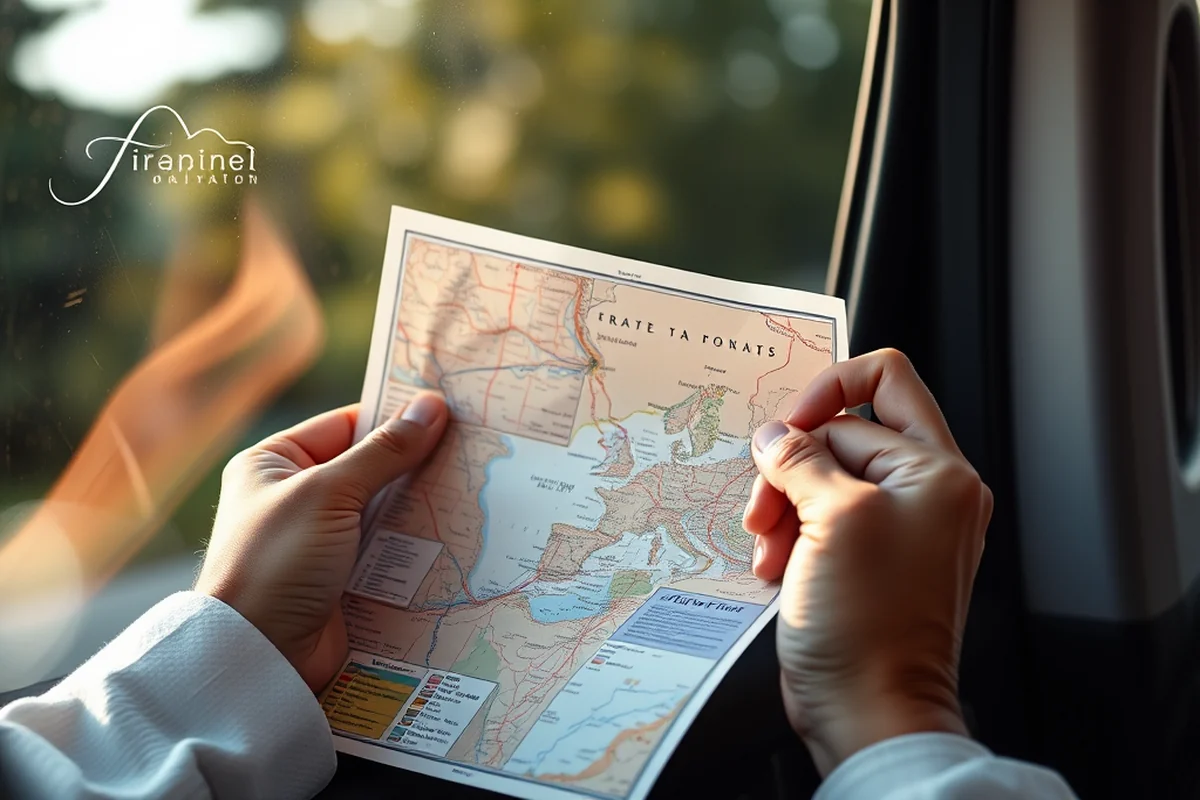
I’ve learned that the first step to a budget-friendly trip is to focus on flights. I used a combination of budget airlines like Ryanair and low-cost carriers like AirAsia to keep my airfare under $200 round-trip. I also found that booking flights during off-peak times, such as early morning or mid-week, often resulted in much lower prices. It’s surprising how much a few extra minutes on a flight can save you.[3]
Accommodation is the next big expense, but there are plenty of options that won’t break the bank. I’ve stayed in hostels with private rooms for as little as $15 per night, and in budget hotels with free breakfast included. I also used platforms like Airbnb to find affordable apartments or guesthouses in the heart of cities. When I stayed in a guesthouse in Hanoi, I had access to communal kitchens and shared meals, which cut my daily food costs in half.[4]
Transportation and daily expenses are also key areas to focus on. I used local public transport whenever possible, which is not only cheaper but also a great way to see the city like a local. I also made a point to eat at local eateries, where a meal often costs less than $10. I’ve found that the cheapest and most authentic food is often the best, and it’s a great way to meet other travelers and locals.[5]
Traveling on a budget doesn’t mean sacrificing comfort — it means being smart with your choices.
Related: Solo travel for tips
The Benefits of Off-Season Travel
I’ve found that the best time to travel as a retiree is during the off-season, when prices are at their lowest and crowds are at their smallest. In Europe, for example, I’ve traveled in late September and early October, avoiding both the summer crowds and the holiday rush. I was able to stay in luxury hotels for the price of a budget hostel and even got free upgrades just for asking.
Off-season travel also means fewer people and more authentic experiences. When I traveled to Morocco in early March, I had the entire city to myself, and the local guides were more attentive and willing to share their culture. I also found that restaurants and shops were more willing to negotiate prices or offer special deals for off-peak travelers.
I’ve also noticed that the weather in many destinations is more comfortable during the off-season. In the Mediterranean, for example, the heat of summer can be overwhelming, but in spring, the temperatures are mild and the landscapes are at their most vibrant. It’s the perfect time to explore without the discomfort of extreme heat or cold.
Use travel blogs and forums to find the best times to visit. For example, in Japan, the best time is spring or fall, while in Bali, the dry season is from April to October.
“I remember the first time I booked a solo trip after retiring — a 4-day stay in Lisbon, Portugal, for just $680, including flights, hotels…”— Solo Travel Limited Time Off editors
Related: Solo travel for
Choosing the Right Accommodations

I’ve found that hostels with private rooms are a great option for retirees who want a low-cost, safe, and social environment. They often have free breakfast, communal kitchens, and even organized tours. I’ve stayed in a hostel in Lisbon where the staff was extremely friendly and offered tips on the best places to visit in the city.
Budget hotels and guesthouses are also excellent choices. I’ve stayed in a guesthouse in Hanoi for just $12 a night, and the amenities were better than I expected. The owner even provided a local guide for free when I asked. I’ve also found that some budget hotels offer free shuttle services to popular attractions, which can save you a lot of money on transportation.
Airbnb is another great option, especially for longer stays. I’ve rented an apartment in Barcelona for just $35 a night, and it came with a kitchen, free Wi-Fi, and a balcony with a great view. This kind of flexibility is rare in traditional hotels and can make a big difference in your travel experience.
Related: Affordable solo travel for retirees
Staying Safe and Comfortable on the Road
I’ve always made sure to carry a small, well-stocked first aid kit, a portable charger, and a copy of my passport. I also keep my travel insurance documents in a secure place, just in case of emergencies. I’ve also found that sharing my itinerary with a trusted friend or family member can be a lifesaver if something unexpected happens.
I’ve also learned the importance of researching the local area before arriving. I always look up the nearest hospitals, police stations, and embassies, and I make sure I have the local emergency numbers saved in my phone. I’ve also found that using a translation app can be incredibly helpful when communicating with locals, especially in areas where English isn’t widely spoken.
Another tip I’ve picked up is to avoid traveling alone at night, especially in unfamiliar cities. I’ve always made sure to stay in well-lit areas and use ride-sharing apps like Uber or Grab to get around. I’ve also found that traveling with a small group of fellow travelers can be a great way to stay safe and make new friends along the way.
Related: Solo travel for seniors
The Importance of Flexibility
I’ve found that the most rewarding trips are the ones where I’m willing to change my plans on a whim. During a trip to Mexico, I had a free afternoon and decided to take a day trip to a nearby town instead of going back to the beach. It turned out to be one of the best parts of the trip, with local markets and beautiful landscapes that I wouldn’t have seen otherwise.
Flexibility also helps with unexpected delays or changes in plans. When I missed a flight in Prague, I was able to use the extra time to explore the city and ended up meeting a local who invited me to a traditional dinner. These kinds of experiences are priceless and often lead to lasting memories.
I’ve also learned that being open to new experiences can make a big difference in how you feel while traveling. Whether it’s trying a new food, taking a different route, or joining a local activity, flexibility allows you to make the most of your time on the road.
The best travel memories come from the moments you didn’t plan for.
The Social Benefits of Solo Travel
I’ve found that one of the most rewarding aspects of solo travel is the opportunity to meet other like-minded travelers. On my trip to Peru, I met a group of retirees who were also traveling alone, and we ended up sharing meals, exploring together, and even planning a day trip to Machu Picchu. These kinds of connections are rare in everyday life and can be incredibly valuable.
I’ve also found that locals are often more welcoming to solo travelers, especially retirees. When I stayed in a guesthouse in Kyoto, the owner was very friendly and even gave me tips on the best places to visit. I’ve also noticed that in many destinations, retirees are seen as respectful and curious travelers, which makes it easier to form connections.
Another benefit of solo travel is that it can help keep your mind active and engaged. I’ve found that learning new things, meeting new people, and exploring new places helps keep my brain sharp and my life interesting. It’s a great way to stay mentally and socially active, even as you age.
💰 Budget Solo Trip
A 6-stop trip for under $1,000 with flexible accommodation and local eats.
✈️ Long Weekend Getaway
A 4-day trip to a nearby city with flights, hotels, and meals included for under $700.
❄️ Off-Season Adventure
Travel in the shoulder season for lower prices and better weather — perfect for retirees.
🌟 Luxury on a Budget
Experience five-star hotels and fine dining for under $2,000 with smart planning.
👯 Solo with Friends
Travel with a group of fellow retirees for shared costs and new friendships.
| The mistake | Why it happens | The fix |
|---|---|---|
| Ignoring travel insurance | Retirees may assume they can handle emergencies on their own, but unexpected medical issues can be expensive and stressful. | Always purchase travel insurance that covers medical emergencies, cancellations, and lost luggage. |
| Booking flights at the last minute | Last-minute bookings can be significantly more expensive, especially for retirees with limited budgets. | Book flights well in advance, ideally 6-8 weeks before your departure date, to get the best prices. |
| Not researching the destination | Without proper research, retirees may end up in unsafe or difficult-to-navigate areas. | Research the destination thoroughly before arriving, including local customs, transportation options, and emergency contacts. |
| Trying to do everything on your own | Trying to plan and do everything alone can be overwhelming and lead to stress, especially for first-time solo travelers. | Join group tours or travel with fellow retirees to share the planning and experiences. |
Cheap Solo Travel For Retirees
Common Questions
What is the best time to travel as a retiree on a budget?
How can I stay safe while traveling alone as a retiree?
What are the best ways to save money on food while traveling?
Can I use credit cards for all my travel expenses?
References
- Solo Traveling: Stepping Out of Your Comfort Zone and Achieving ... (abroad-blog.global.utexas.edu)
- Solo Traveler–Friendly Archives - Cal Alumni Association (alumni.berkeley.edu)
- A Solo Traveler's Guide to Europe: Lessons from Study Abroad (blog.uceap.universityofcalifornia.edu)
- Solo Trip: Nara Edition - Off-Campus Study (blogs.hope.edu)
- Trip Program | Campbell, CA - Official Website (campbellca.gov)
Cite this guide
Solo Travel Limited Time Off (2026). Cheap Solo Travel For Retirees. https://travelrebuild.com/cheap-solo-travel-for-retirees/
Feel free to cite or share this guide.