
Solo Travel On A Budget Alternatives
📖 Table of Contents
- The Power of Hostels in Solo Travel
- Why Budget Airlines are a Game-Changer
- Finding Affordable Accommodations Beyond Hostels
- The Magic of Free Walking Tours
- Dining on a Budget: Street Food and Local Markets
- Transportation Tips for Solo Travelers on a Budget
- Solo Travel on a Budget Alternatives: What to Pack
- Make It Your Way
- Frequently Asked Questions
I still remember the first time I packed a single suitcase and boarded a flight alone. The nerves were real, the excitement even more so. I was on a tight budget, and I knew I had to make every decision count — from where I stayed to what I ate. Solo travel on a budget alternatives weren't just a necessity, they were the only way I could afford to explore the world without compromising my sanity or my wallet.
That journey took me through Southeast Asia, where I learned that the cheapest accommodations were often the most unforgettable. I stayed in hostels that doubled as social hubs, where I met fellow travelers and shared stories over cheap meals and local drinks. Solo travel on a budget alternatives don’t mean sacrificing the experience — they mean redefining it, finding the beauty in simplicity and the joy of discovery.
Since then, I’ve traveled to over 30 countries, always keeping my budget in check and my spirit high. Solo travel on a budget alternatives are not just about saving money, they’re about opening up new possibilities. Whether it’s staying in a guesthouse run by a local family or using a budget airline to skip the expensive domestic flights, the options are endless and the rewards are real.[1]
Why You'll Love This Solo Travel Strategy
- Experience rich cultural immersion without breaking the bank
- Meet fellow travelers who share your curiosity and energy
- Stay in unique accommodations that offer more than just a place to sleep
- Discover hidden gems that aren’t on the typical tourist trail
The Power of Hostels in Solo Travel
As of September 2026, Hostels are not just about cheap beds. They are microcosms of the world, where travelers from all corners of the globe gather, share meals, and exchange stories. I once stayed in a hostel in Lisbon where the owner, a retired Portuguese teacher, organized nightly language exchanges — an opportunity to practice Spanish, Portuguese, and even Mandarin all in one place.
Rooms can range from dorm-style bunk beds starting at $5 per night to private rooms for $20. Prices vary depending on the location, but the value often exceeds the cost. I’ve met some of my favorite travel companions in hostels — people who became lifelong friends and fellow explorers.[2]
Hostels also often include perks like free breakfast, luggage storage, and even guided tours. In Kraków, I stayed at a hostel that offered a complimentary walking tour of the city — a highlight of my trip and an experience I wouldn’t have had otherwise.
Look for hostels with large common spaces, as these are where the most authentic interactions happen. Avoid ones that are just a series of small rooms with no shared area — they can feel isolating and less communal.
Why Budget Airlines are a Game-Changer
I’ve saved hundreds of dollars by using budget airlines like AirAsia and Ryanair. Flights between cities in Southeast Asia can often be found for less than $100 round-trip, while in Europe, prices for flights between major cities can dip below $50. These airlines have made it easier than ever to see multiple countries on a single trip.[3]
However, I’ve also learned that budget airlines often have hidden fees. Things like checked baggage, seat selection, and in-flight meals come at a cost. I’ve made a habit of packing only carry-on luggage to avoid these extra charges and have always landed with enough space to carry my essentials.
One of the best parts of flying with budget airlines is the flexibility. I once changed my flight itinerary three times within a week, all without paying any additional fees. The ability to pivot and explore on the fly is a real benefit of this approach.
Budget airlines give you freedom — to move, to explore, and to change your plans without breaking the bank.
Related: Solo travel on a budget comparison
Finding Affordable Accommodations Beyond Hostels
I’ve stayed in guesthouses in Morocco run by families who welcomed me into their homes and cooked meals for me. The cost was often just $15–20 per night, and the experience was invaluable. I’ve also stayed in budget hotels in cities like Bangkok and Hanoi, where rooms with private bathrooms start at around $10 per night.[4]
Homestays are particularly popular in rural areas, where locals offer a more personal and immersive experience. In Vietnam, I stayed with a family in Ninh Binh, where they shared stories of their village and even taught me how to make local dishes — something I would never have learned in a traditional hotel.
One of the biggest advantages of these alternative accommodations is the personal touch. In many cases, the hosts become guides, offering advice on the best places to eat, shop, and explore. This kind of insider knowledge can make a huge difference in the quality of your trip.
Use platforms like Airbnb, Couchsurfing, or local guesthouse booking sites to find affordable and reliable accommodations. Always read reviews from other solo travelers, and don’t be afraid to ask hosts for recommendations or help.
“I still remember the first time I packed a single suitcase and boarded a flight alone.”— Solo Travel Limited Time Off editors
Related: Cheap solo travel on a budget
The Magic of Free Walking Tours

I’ve walked through the streets of Prague, Barcelona, and Amsterdam on free walking tours, and each time, I came away with a deeper understanding of the city and its history. These tours are usually led by passionate guides who are often locals and share their knowledge with genuine enthusiasm.
The catch is that most free walking tours operate on a tips-based model. While it’s not mandatory, I’ve found that leaving a small tip — around $10 per person — is appreciated and often leads to better service and more detailed information.
One of my favorite free walking tours was in Lisbon, where the guide took us to a hidden square that wasn’t on any map. It was a rare moment of discovery, and it reminded me how much the world has to offer beyond the typical tourist spots.
Related: Solo travel on a budget problems
Dining on a Budget: Street Food and Local Markets
In Southeast Asia, street food is a way of life, and it’s one of the most affordable ways to eat. I’ve had skewers of grilled meat for under $2, bowls of pho for around $3, and even small plates of pad Thai for $1.50. These meals are not only cheap but often more flavorful and authentic than anything you’ll find in tourist restaurants.
Local markets are also a great place to find affordable meals and snacks. I’ve bought fresh fruit for under $1 per piece and even tried my hand at haggling for souvenirs, which can save a surprising amount of money.
One of the best parts of eating on the street is the opportunity to interact with local vendors. They often share stories about their food and their city, offering insights that you wouldn’t get elsewhere. It’s a small but meaningful way to connect with the culture.
Related: Solo travel on a budget examples
Transportation Tips for Solo Travelers on a Budget
I’ve relied on public transportation in cities like Tokyo, Bangkok, and Rome, and it’s often the most cost-effective way to get around. In Tokyo, a single train ride costs around $1.50, and with a 24-hour pass, you can travel all over the city for less than $10.
Ride-sharing apps like Grab in Southeast Asia and Bolt in Europe offer a cheaper alternative to traditional taxis. Prices are usually displayed upfront, and you can often find rides for less than a typical taxi fare. I’ve saved money on multiple occasions by using these apps instead of hailing a cab.
Another tip is to use local transportation apps like Google Maps or Moovit to plan your routes. These apps can help you find the cheapest and fastest way to get from one place to another, which is especially helpful when you’re unfamiliar with the city.
Public transport and ride-sharing apps are your best friends when it comes to saving money while exploring.
Related: Solo travel on a budget troubleshooting
Solo Travel on a Budget Alternatives: What to Pack
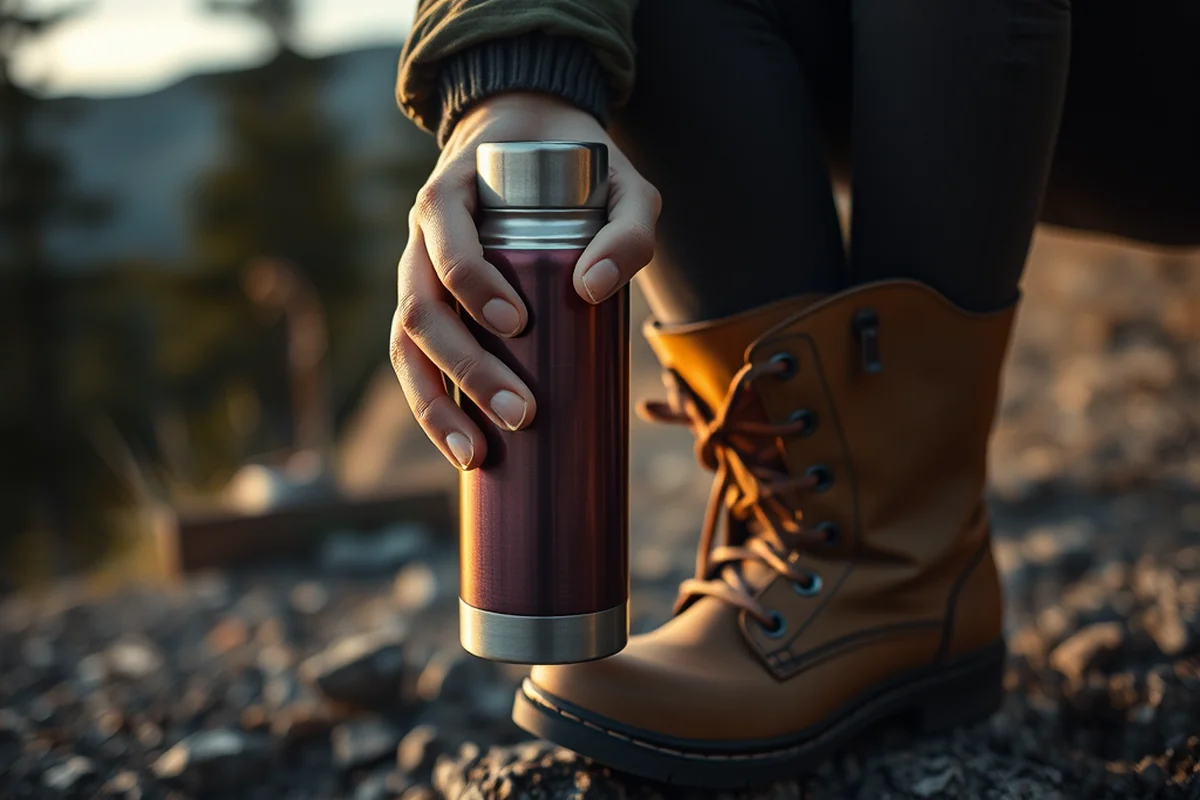
When I travel solo on a budget, I pack light — just a carry-on bag and a small daypack. This not only saves money on baggage fees but also makes it easier to move around. I’ve found that most places can be explored with just a few changes of clothes, a couple of toiletries, and a reusable water bottle.
I also carry a universal power adapter, which is essential when traveling internationally. It helps avoid the need to buy expensive local adapters, which can add up quickly. I’ve also invested in a durable, multi-use towel that’s lightweight and quick-drying — perfect for travelers who want to minimize their luggage weight.
In addition, I always bring a reusable water bottle and a foldable travel mug. These small investments help reduce costs on drinks and snacks, and they also reduce waste. I’ve found that many hostels and cafes offer free refills on water, which is a huge saving over time.
💰 Budget Getaway
A week-long trip in Southeast Asia with hostels, street food, and budget airlines — under $500 total.
✈️ Long Weekend Escape
A quick 4-day trip to a nearby city, using public transport and affordable accommodations — perfect for short breaks.
🍂 Off-Season Adventure
Traveling during the shoulder season to save on flights, accommodations, and entry fees — a hidden gem for savvy travelers.
👨👩👧👦 Solo with Kids
A family-friendly solo trip with budget accommodations and kid-friendly activities — a great way to explore together.
✨ Luxury on a Budget
Combining budget travel with a touch of luxury — staying in boutique hotels and dining at affordable, high-quality restaurants.
| The mistake | Why it happens | The fix |
|---|---|---|
| Assuming all hostels are the same | Not all hostels are created equal — some can be noisy, unsafe, or poorly maintained. | Always read reviews from other solo travelers and choose hostels with good ratings, clean facilities, and clear safety policies. |
| Not reading the fine print on budget airline tickets | Budget airlines often have hidden fees for things like checked luggage, seat selection, and in-flight meals. | Pack only carry-on luggage and review the terms of your ticket before booking. Always check what’s included in the fare. |
| Avoiding local markets for fear of haggling | Haggling is a normal and expected part of shopping in many cultures, and it can save you money. | Practice your haggling skills — start with a lower offer and be polite. Often, vendors are willing to meet you in the middle. |
Solo Travel On A Budget Alternatives
Common Questions
How can I save money on flights for solo travel?
What are the best places to stay on a budget?
How do I find free or cheap activities in a new city?
What’s the best way to eat on a budget while traveling alone?
References
- (PDF) Solo Travel Research and Its Gender Perspective: A Critical ... (academia.edu)
- Active Transportation and Micromobility - Alternative Fuels Data Center (afdc.energy.gov)
- What Study Abroad Taught Me About Friendship and Travel (blog.uceap.universityofcalifornia.edu)
- German vs Italian: Traveling Outside My Host Country (blogs.hope.edu)
Cite this guide
Solo Travel Limited Time Off (2026). Solo Travel On A Budget Alternatives. https://travelrebuild.com/solo-travel-on-a-budget-alternatives/
Feel free to cite or share this guide.