
Solo Travel Places To Stay Alternatives
📖 Table of Contents
I remember the first time I checked into a hostel in Lisbon, the scent of coffee and fresh bread wafting through the lobby, the sounds of laughter echoing from the common areas. The feeling of being both alone and completely connected. It was the beginning of a journey that changed how I think about solo travel. Finding the right place to stay is more than just a logistical necessity—it's the foundation for the experiences you'll have, the people you'll meet, and the memories you'll make. Solo travel places to stay alternatives are no longer a luxury; they're a necessity for those who want to travel deeply, affordably, and with purpose.
Over the years, I've tested dozens of accommodations, from budget hostels to boutique hotels and even unique stays like tiny homes and co-living spaces. Each has its own rhythm, its own character, and its own way of shaping the solo traveler's experience. Whether you're looking for a place to meet fellow travelers or a quiet retreat to recharge, there's an option that fits. Solo travel places to stay alternatives are not just about where you sleep—they're about the environment that supports your journey and the connections that come with it.
The best solo travel places to stay alternatives are the ones that feel like a home away from home, even if for a short time. They're the kind of places that make you feel safe, welcome, and inspired to explore the world. I've stayed in places that offered free walking tours, shared meals, and even language exchange programs—each one contributing to a richer, more immersive experience. Choosing the right place to stay isn't just about comfort; it's about how it fits into the overall rhythm of your solo travel adventure.[1]
Why You'll Love This Solo Travel Experience
- Meet fellow travelers and create meaningful connections
- Stay in unique, affordable accommodations that enhance your journey
- Access curated experiences like free tours and shared meals
- Feel safe, supported, and inspired in a community-focused environment
Hostels: A Gateway to Community
As of September 2026, Hostels are more than just places to sleep—they're hubs of community and adventure. I've stayed in hostels from Bangkok to Berlin, and each one has had its own unique vibe. Some are lively with music, others are quiet with a focus on creativity and learning. The key is the sense of belonging that comes from sharing a space with people from all over the world.
One of the best parts of staying in a hostel is the opportunity to meet fellow travelers. I've made lifelong friends during my stays, and I've even had the chance to join tours, workshops, and language exchanges that I wouldn't have discovered otherwise. Hostels are also incredibly affordable, with dorm beds starting around $10–$20 per night in most cities.[2]
I once stayed in a hostel in Prague that offered a free walking tour every morning. It was a great way to start the day, meet other travelers, and get an insider's perspective on the city. The social atmosphere made the trip feel like a shared adventure rather than a solo one.
Look for hostels with high reviews, secure lockers, and a friendly atmosphere. Avoid places that feel too crowded or lack privacy.
Boutique Hotels: A Touch of Luxury
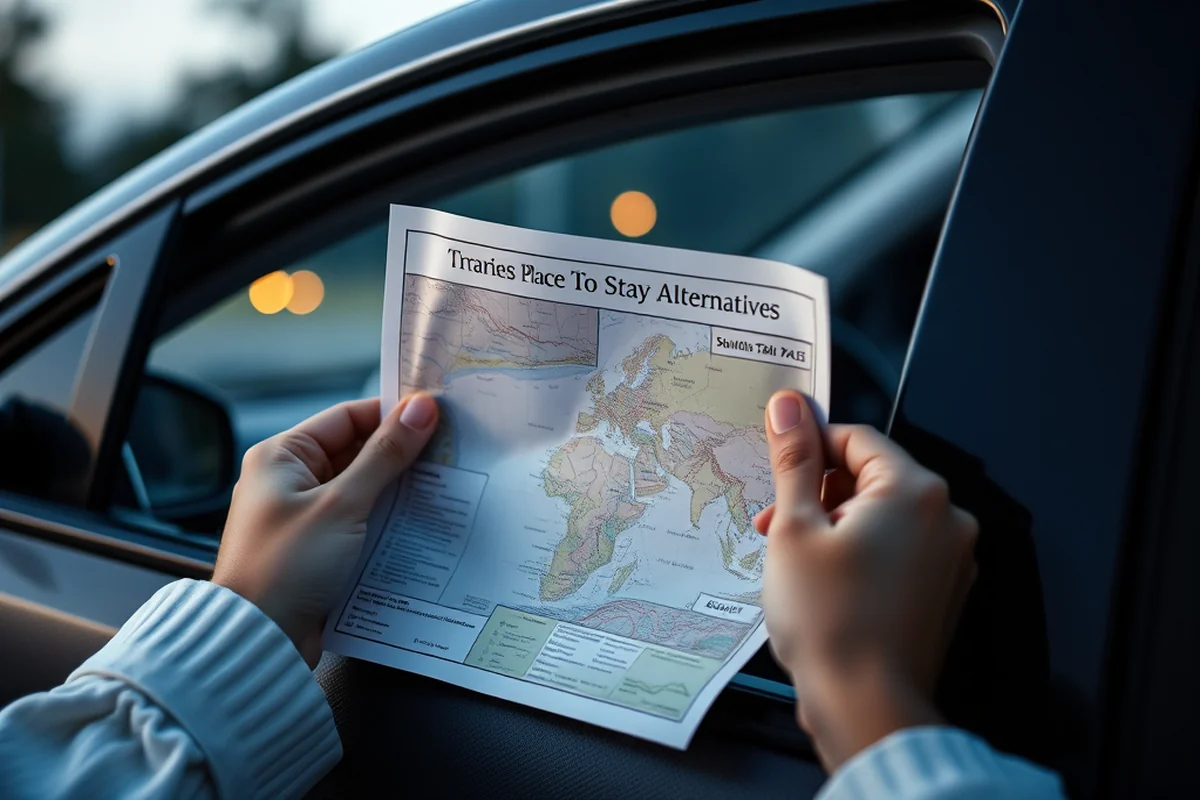
Boutique hotels are perfect for solo travelers who appreciate a more private and stylish environment. I've stayed in boutique hotels in Tokyo and New York, and the attention to detail and unique decor made each stay feel special. These hotels often have a small number of rooms, allowing for a more intimate and personalized experience.
One of the benefits of staying in a boutique hotel is the level of service. The staff often go above and beyond to make sure your experience is memorable. I once had a hotel in Barcelona that offered a complimentary cocktail upon arrival, along with a welcome note from the owner. It was a small but thoughtful gesture that made the trip feel more personal.
While boutique hotels tend to be more expensive than hostels, they are often worth the investment. The comfort, ambiance, and unique touches can make a significant difference in your overall experience.
Luxury is not about the price tag—it's about the experience.
Related: Cruises for solo travellers
Tiny Homes & Eco-Lodges: Sustainable Travel
Tiny homes and eco-lodges are becoming increasingly popular among solo travelers who want to make a positive impact on the environment. I've stayed in eco-lodges in Costa Rica and tiny homes in Portugal, and both offered a unique, immersive experience. These accommodations often use renewable energy, have minimal environmental impact, and promote sustainability.
One of the most memorable stays I had was in a solar-powered eco-lodge in the Costa Rican rainforest. The experience was not only eco-friendly but also deeply immersive, with wildlife sightings, guided tours, and a sense of connection to nature that I hadn't felt in other accommodations.
Staying in these types of places also gives you the chance to engage with the local community and learn about sustainable practices. It's a great way to travel with purpose and leave a positive impact on the places you visit.
Look for eco-lodges and tiny homes that have clear sustainability practices, such as using solar energy, composting, and supporting local communities.
“I remember the first time I checked into a hostel in Lisbon, the scent of coffee and fresh bread wafting through the lobby, the sounds…”— Solo Travel Limited Time Off editors
Related: Solo trip stay vs
Co-Living Spaces: A Modern Take on Shared Living
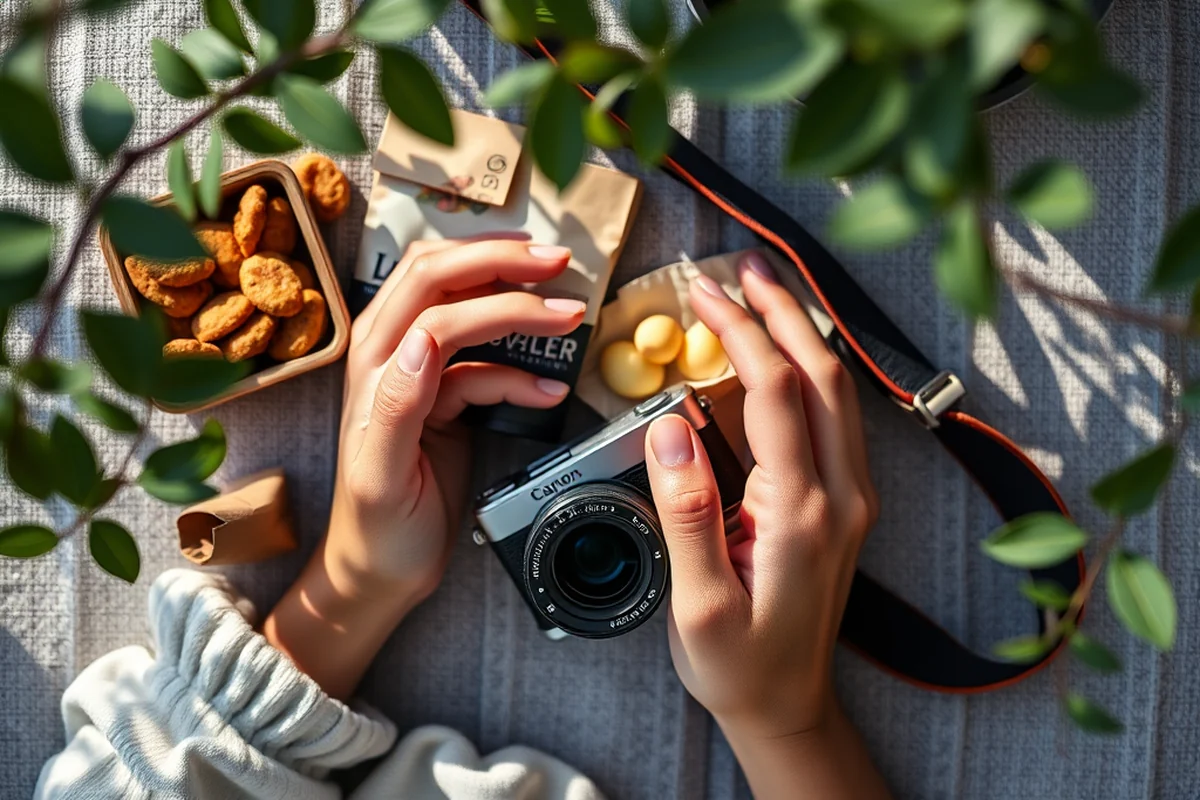
Co-living spaces are a newer trend in solo travel accommodations, offering a blend of privacy and community. I've stayed in co-living spaces in London and Lisbon, and each had a different vibe but shared the same core idea: shared living with a sense of community and connection.
Unlike hostels, co-living spaces often provide private bedrooms with shared bathrooms and common areas. This setup allows for more privacy while still fostering a sense of community. I've met people from all over the world in these spaces, and the shared meals and group activities have made the experience more engaging.
The cost of co-living spaces is often more than hostels but less than boutique hotels, making them a great middle ground. Some also offer amenities like co-working spaces, fitness centers, and organized events, which can be a big plus for solo travelers who want to stay productive while on the move.
Related: Solo travel places to stay vs
Guesthouses: A Local Perspective
Guesthouses are a fantastic option for solo travelers who want to experience a place through the eyes of the locals. I've stayed in guesthouses from Morocco to Greece, and each one had its own charm and character. These accommodations are often run by families or individuals who take pride in their hospitality and want to share their culture with travelers.
One of the best parts of staying in a guesthouse is the personal touch. The hosts often go out of their way to make you feel welcome, whether it's by offering a traditional meal or giving you insider tips on the best places to visit. I once stayed in a guesthouse in Morocco where the host cooked a traditional tagine for me, and it was one of the most authentic experiences of my trip.
Guesthouses are also a great way to save money while still enjoying a comfortable and welcoming environment. The prices are often lower than boutique hotels, and the experience is more personal and unique.
Related: Best solo travel places to stay
Camping & Glamping: Immersion in Nature
Camping is one of the most immersive ways to experience a place, and it's especially popular with solo travelers who want to disconnect from the noise of everyday life. I've camped in national parks in the US and glamped in Australia, and both experiences offered a unique sense of freedom and connection with the natural world.
Glamping, or glamorous camping, offers all the benefits of camping with more comfort and amenities. These sites often have private cabins, tents with beds, and access to showers and other facilities. I once stayed in a glamping site in the Australian Outback, and the experience was like staying in a luxury resort but surrounded by nature.
Whether you choose traditional camping or glamping, it's a great way to disconnect, reflect, and enjoy the beauty of the natural world. These experiences are often more affordable than other accommodations, and they offer a chance to explore places that are off the beaten path.
Glamping is the best of both worlds—comfort and adventure.
Related: Best places to travel solo
Homestays: A Cultural Exchange
Homestays are a great way to experience a destination like a local. I've stayed in homestays in India and Vietnam, and each time I felt like I was part of the family. These stays often include meals, shared activities, and a chance to learn about the local culture.
One of the most memorable homestays I had was in a rural village in Vietnam, where I stayed with a local family and helped with daily chores. The experience was incredibly enriching, and I learned more about the local way of life than I ever could have from a guidebook.
Homestays are also a great way to save money while still enjoying a welcoming and personalized experience. The cost is often lower than other accommodations, and the cultural exchange can make the trip feel more meaningful and memorable.
💰 Budget Solo Travel
Travel on a shoestring with hostels, guesthouses, and shared accommodations that are affordable and friendly.
✈️ Long Weekend Getaway
Plan a short but impactful trip with a mix of boutique hotels and local guesthouses to maximize your time and experiences.
👨👩👧👦 Solo Travel with Kids
Choose family-friendly accommodations like co-living spaces or guesthouses that provide a safe and welcoming environment for families.
🍂 Off-Season Travel
Take advantage of lower prices and fewer crowds by traveling during the off-season and staying in eco-lodges or guesthouses.
💎 Luxury Solo Travel
Indulge in boutique hotels, private villas, and high-end co-living spaces that offer comfort, style, and personalized service.
| The mistake | Why it happens | The fix |
|---|---|---|
| Choosing a hostel without checking reviews. | Not all hostels are created equal, and some may have poor safety records or unhygienic conditions. | Always read reviews from multiple sources and check for guest feedback before booking. |
| Ignoring the location of the accommodation. | Staying in a poorly located hostel or hotel can make it difficult to explore the city and may result in longer commutes. | Choose accommodations that are centrally located or near popular attractions for convenience. |
| Assuming all eco-lodges are the same. | Not all eco-lodges are equally sustainable or comfortable. Some may lack basic amenities or have questionable sustainability practices. | Research the eco-lodge's sustainability initiatives and read reviews to ensure it meets your standards. |
| Overlooking the importance of privacy. | Some co-living spaces or guesthouses may not offer enough privacy, which can be uncomfortable for solo travelers. | Look for accommodations that offer private bedrooms and clearly define shared versus private areas. |
Solo Travel Places To Stay Alternatives
Common Questions
What's the best way to meet other solo travelers?
Are hostels safe for solo travelers?
How much does it cost to stay in a boutique hotel?
What are the benefits of staying in a guesthouse?
References
- The Effect of Airbnb Users' Regret on Dissatisfaction and Negative ... (pmc.ncbi.nlm.nih.gov)
- Parking Spaces/Community Places Finding the Balance through (archive.epa.gov)
Cite this guide
Solo Travel Limited Time Off (2026). Solo Travel Places To Stay Alternatives. https://travelrebuild.com/solo-travel-places-to-stay-alternatives/
Feel free to cite or share this guide.